ReviveInvestments

Curriculum

The methodology behind the fund, taught to every competitor.

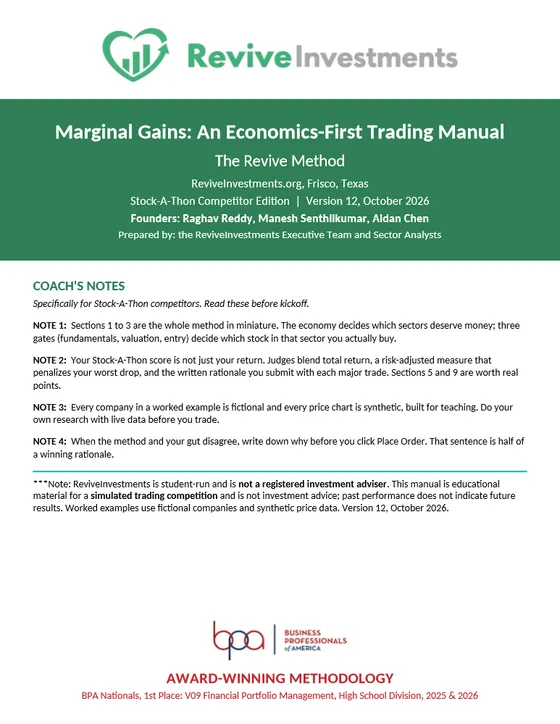
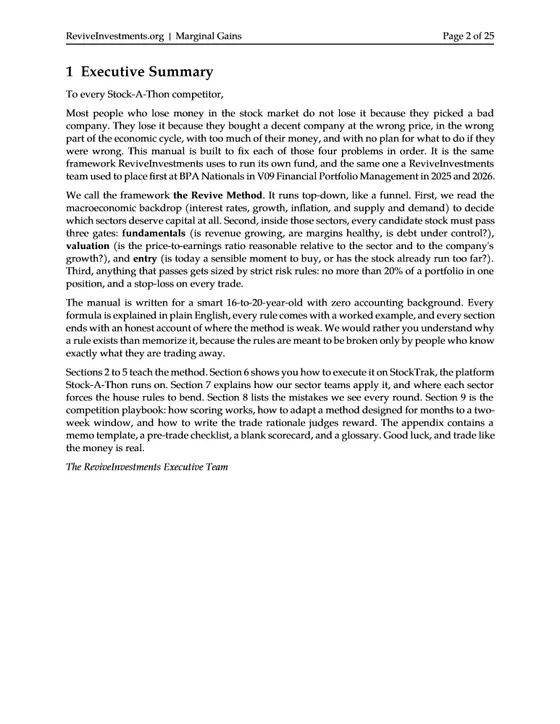
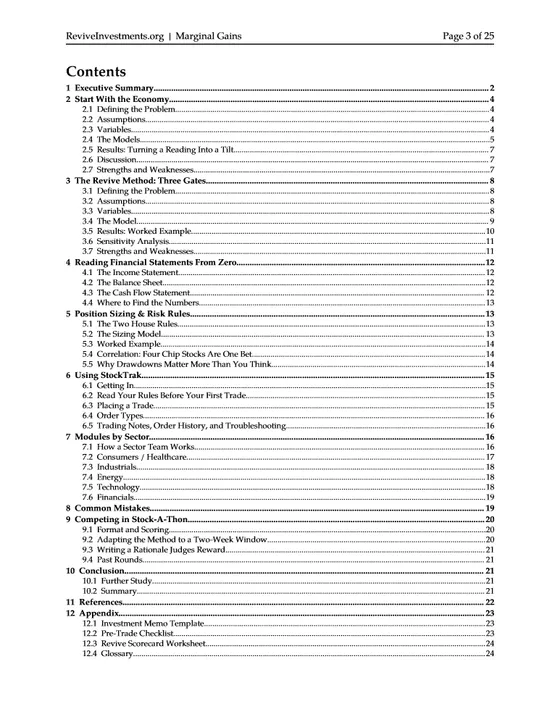
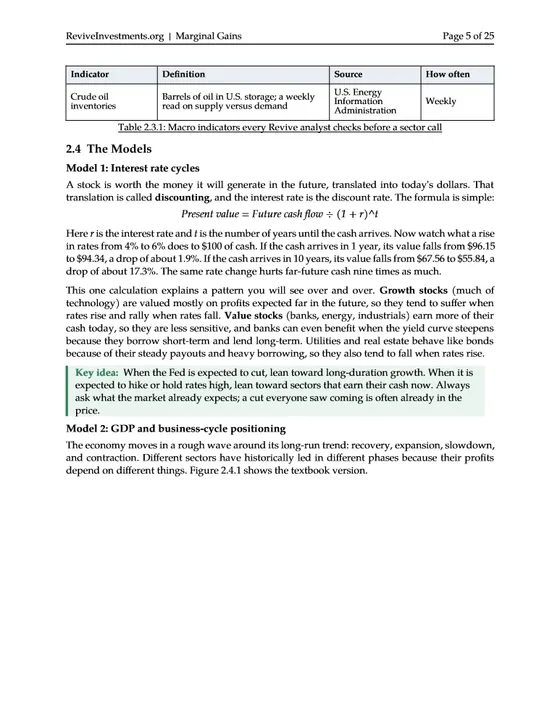
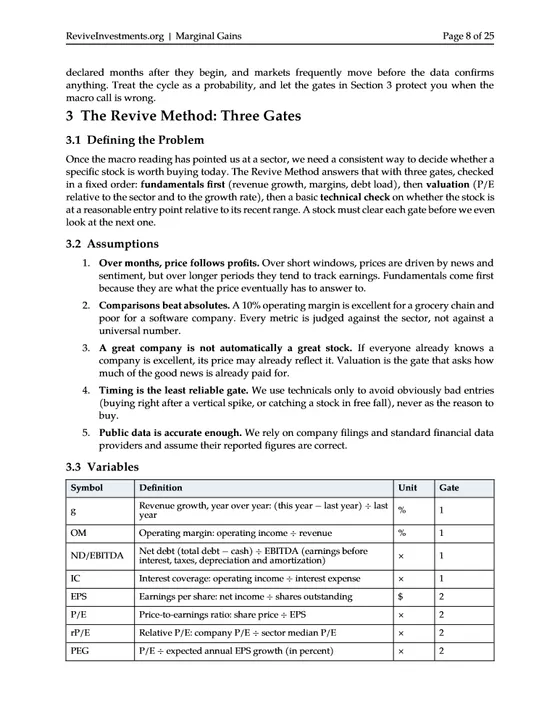
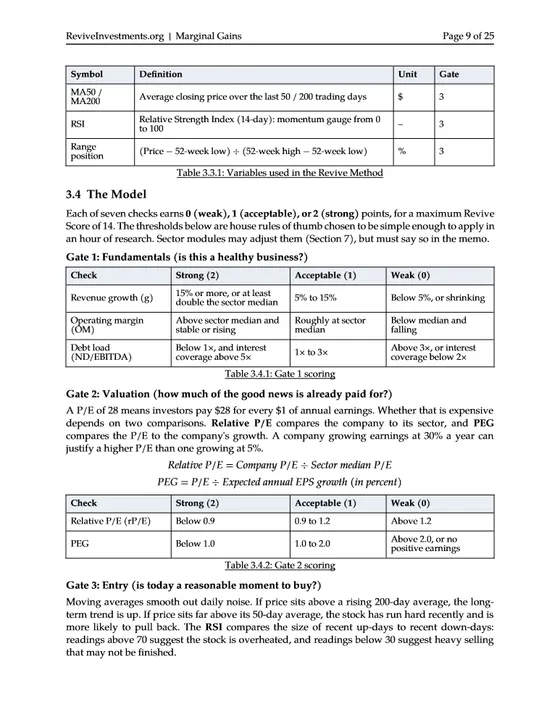
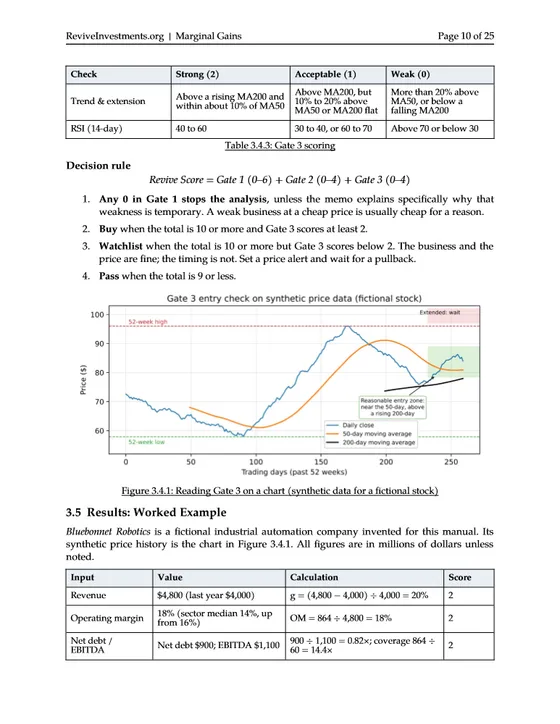
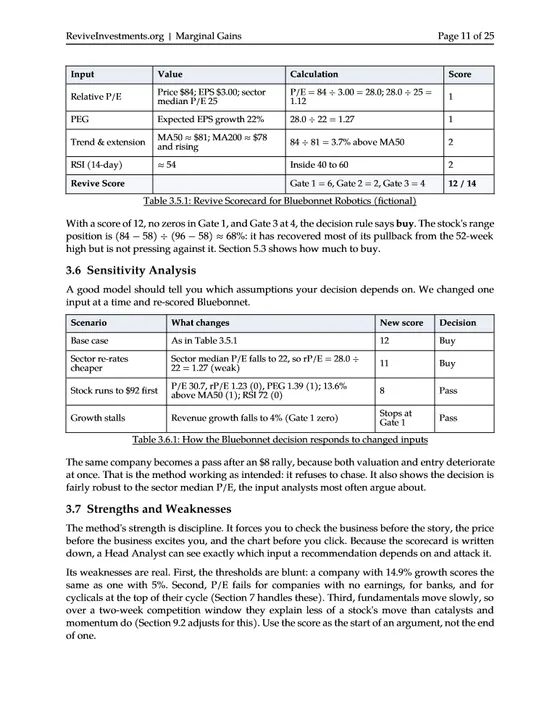
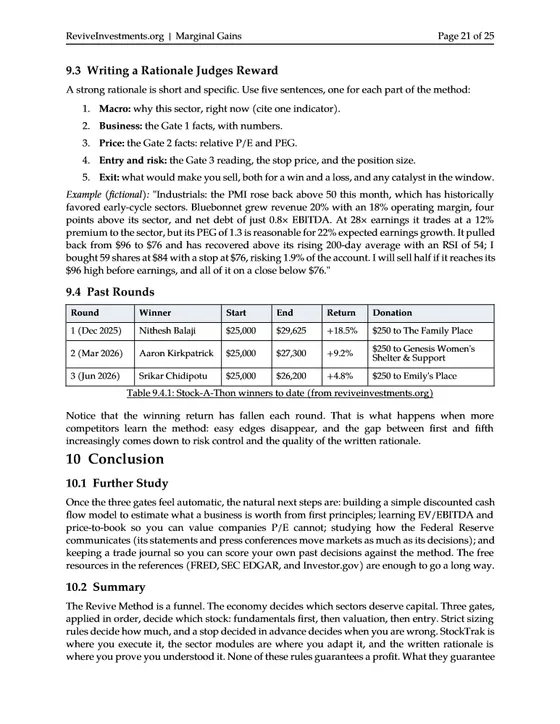
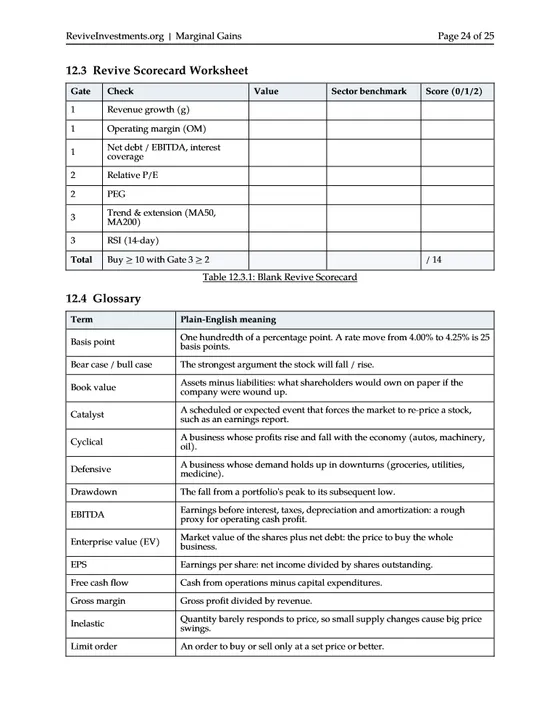
We evaluate a stock fundamentals first (revenue growth, margins, debt load), then on valuation (P/E relative to sector and growth rate), then with a basic technical check on entry point. It is the same framework used to run the fund and to coach every Stock-A-Thon competitor.

Business Professionals of America

Nationally recognized, award-winning trading methodology.BPA Nationals, 1st place — V09 Financial Portfolio Management, High School Division, two years running (2025 & 2026)

Trading manual

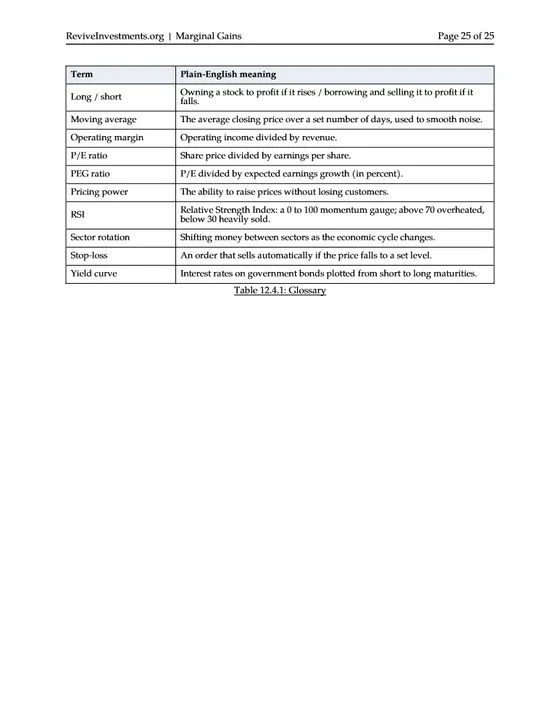
[Downloadable PDF pending] — what's inside:

The Revive Method

Our house framework for evaluating a stock: fundamentals first (revenue growth, margins, debt load), then valuation (P/E relative to sector and growth rate), then a basic technical check on whether the stock is at a reasonable entry point relative to its recent range.

Core to the method

Economic models & concepts

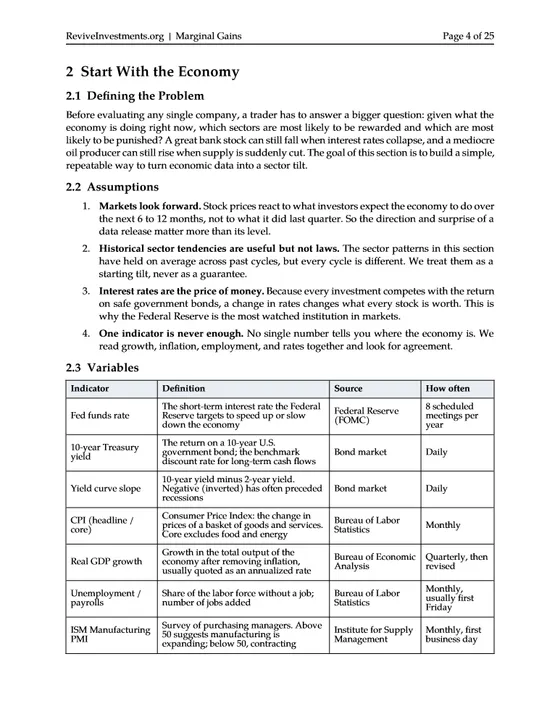
Every stock call runs through the macro backdrop first. This is the part of the method that decides which sectors get capital before any single company is even evaluated.

Interest rate cycles

How Fed policy and rate direction shift capital between growth and value, and when each sector tends to lead.

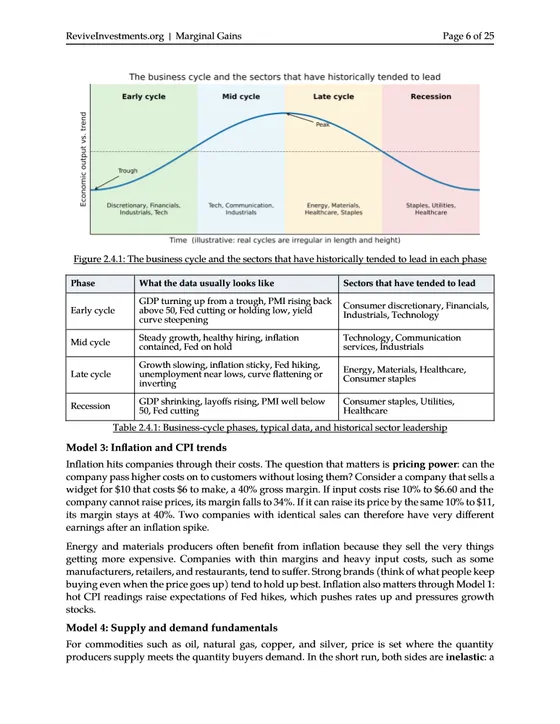
GDP & business-cycle positioning

Reading where the economy sits in the cycle to decide which sectors are early, mid, or late-cycle bets.

Inflation & CPI trends

How inflation data moves margins, pricing power, and the sectors most exposed to input-cost pressure.

Supply and demand fundamentals

Applied to commodities and cyclicals, where production and demand shocks move prices well before earnings do.

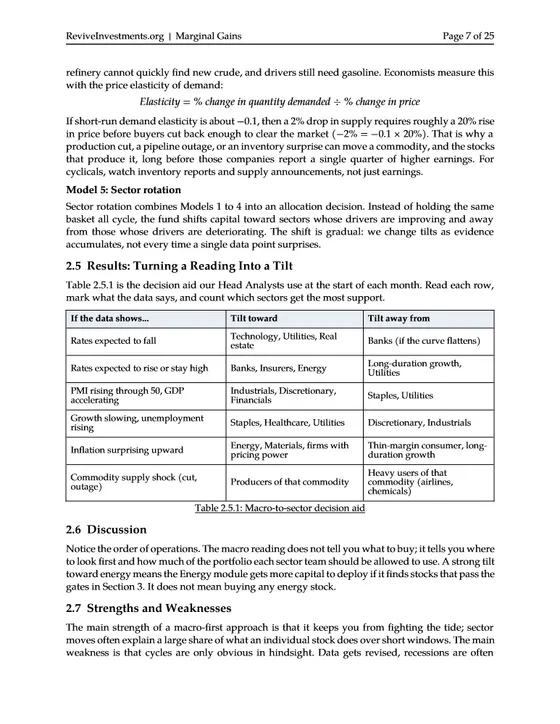
Sector rotation

Moving allocation between sectors as the macro backdrop changes, instead of holding a static basket all cycle.

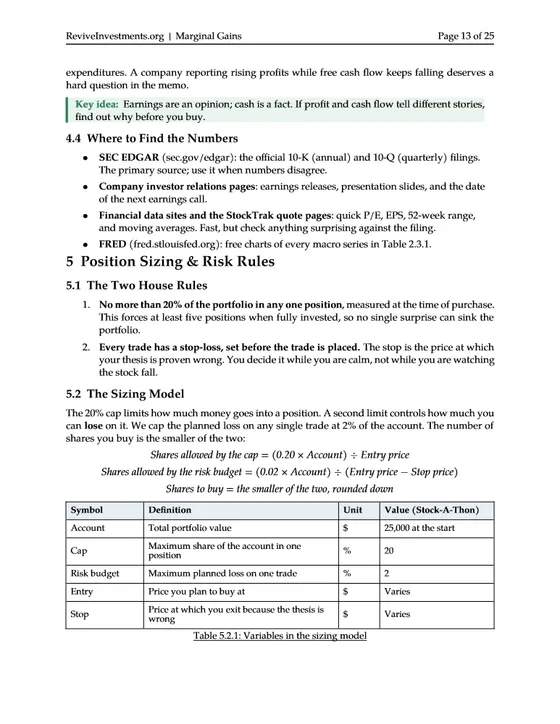
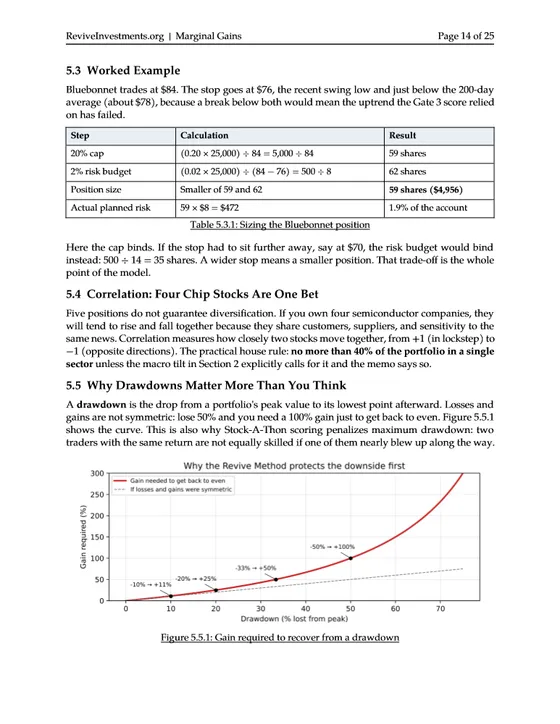
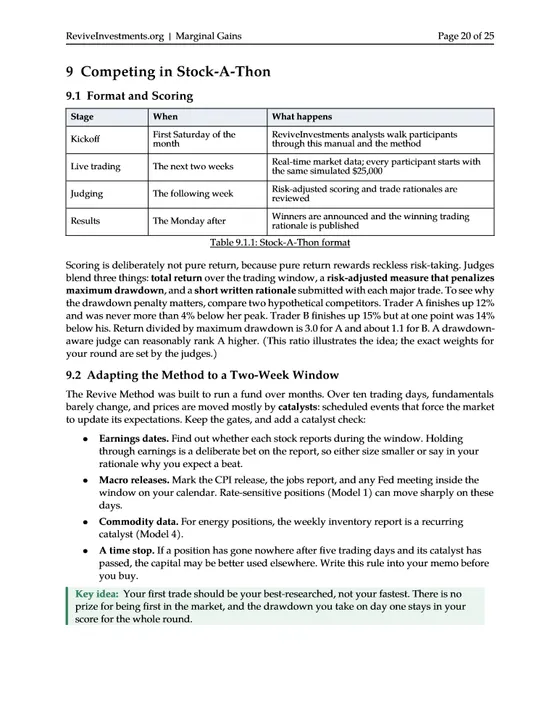
Position sizing & risk rules

No more than 20% of a portfolio in one position, and mandatory stop-loss discipline on every trade.

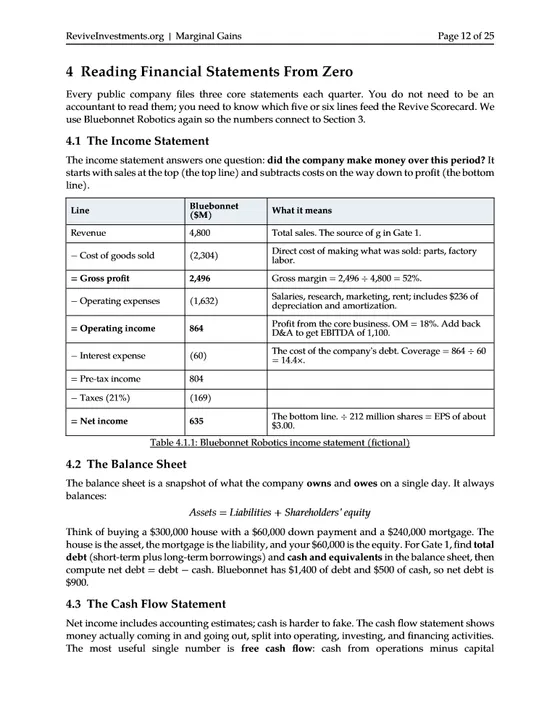
Reading a balance sheet & income statement

The basics, written for someone with zero background in accounting or finance.

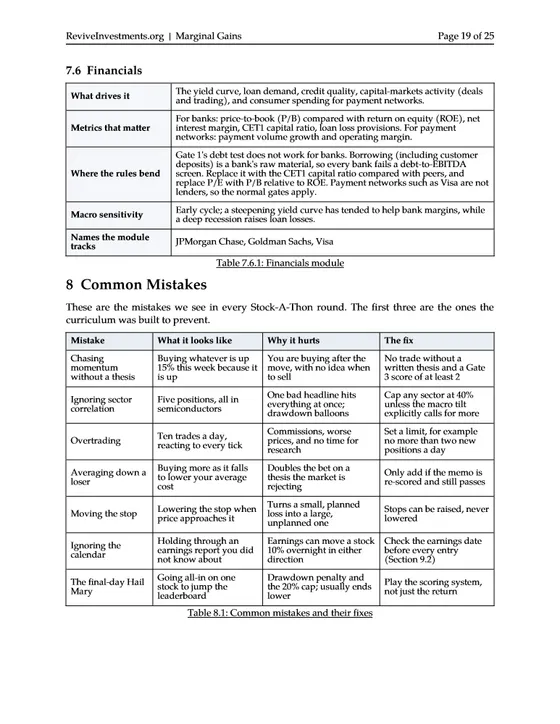
Common mistakes

Chasing momentum without a thesis, ignoring sector correlation, and overtrading.

Modules by sector

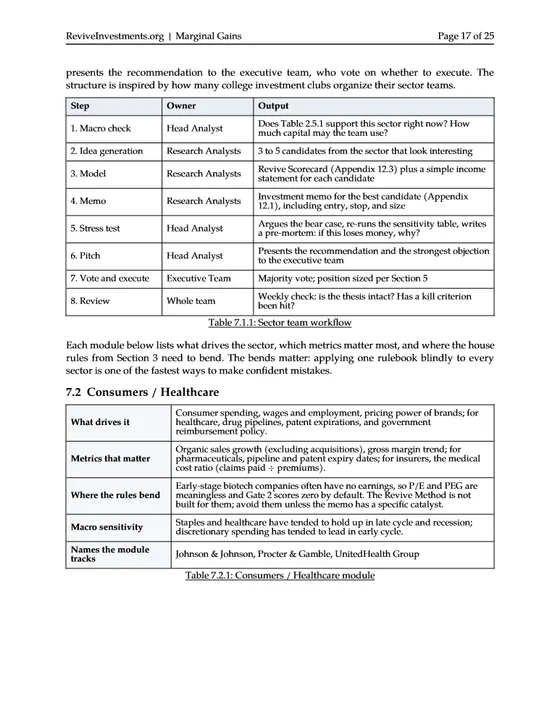
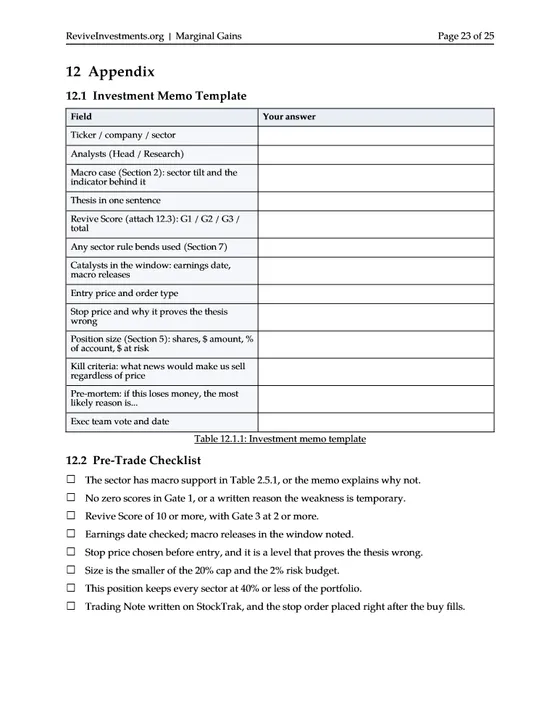
Each sector runs 3 analysts: one Head Analyst and two Research Analysts. The research analysts build the model and draft the investment memo; the Head Analyst stress-tests it and presents the recommendation to the executive team, who vote on whether to execute. Inspired by the structure of certain college investment clubs.

Consumers / Healthcare

Two Research Analysts build the model and memo; the Head Analyst stress-tests it and presents to the exec team.

Johnson & JohnsonProcter & GambleUnitedHealth Group

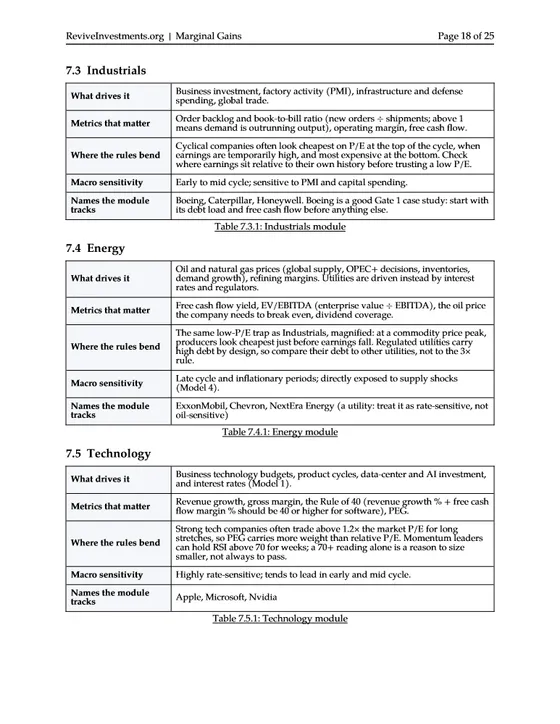
Industrials

Two Research Analysts build the model and memo; the Head Analyst stress-tests it and presents to the exec team.

BoeingCaterpillarHoneywell

Energy

Two Research Analysts build the model and memo; the Head Analyst stress-tests it and presents to the exec team.

ExxonMobilChevronNextEra Energy

Technology

Two Research Analysts build the model and memo; the Head Analyst stress-tests it and presents to the exec team.

AppleMicrosoftNvidia

Financials

Two Research Analysts build the model and memo; the Head Analyst stress-tests it and presents to the exec team.

JPMorgan ChaseGoldman SachsVisa